DMS Home  /  About DMS  /  Current Student Resources  /  Contact Us  /  Search 

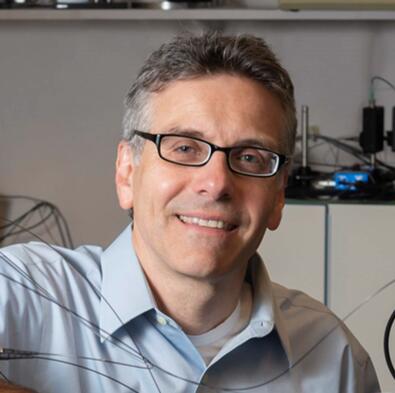
Clifford Woolf, Ph.D.

Richard J. Kitz Professor of Anaesthesia Research

Massachusetts General Hospital/East
Neural Plasticity Rsch Rm 4310
149 13th Street
Charlestown, MA 02129
Telephone: 617-724-3622
Fax: (617) 724-3632
Email: cwoolf@partners.org
Webpage:Clifford Woolf Lab
Predocs: 1 Postdocs: 9 Completed PhD's: 8

Clifford Woolf

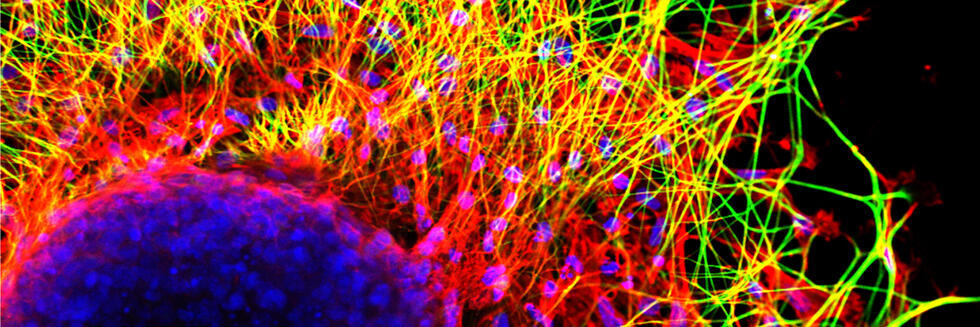
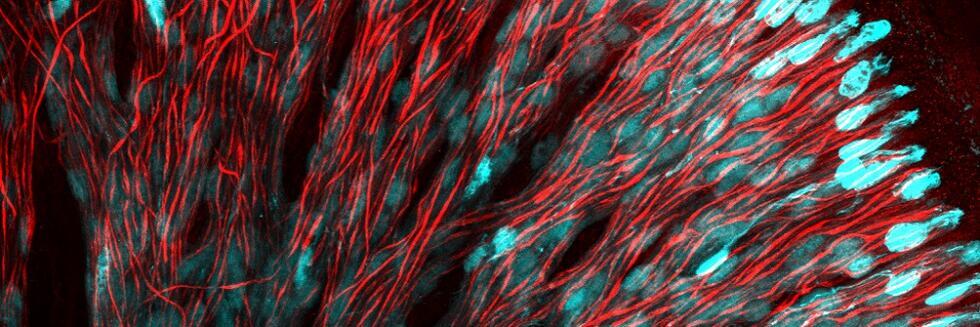
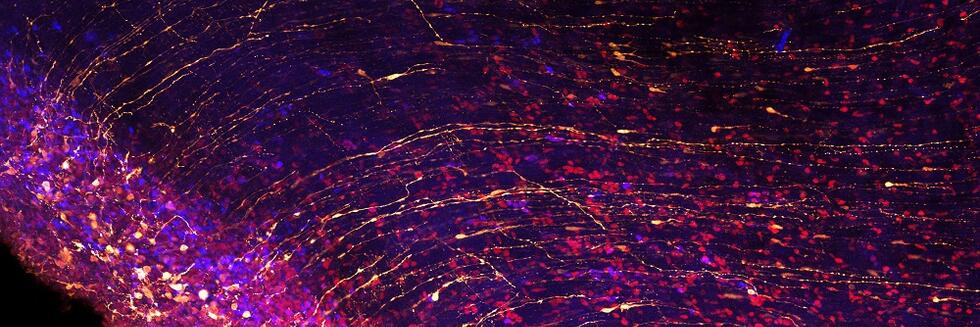
Our group is devoted to investigating the way in which the functional, chemical and structural plasticity of neurons contributes to adaptive and maladaptive changes in the mammalian nervous system. Our major efforts are devoted to the study of pain, the formation of neural circuits during development and failure of regeneration of the adult CNS. Most of our work is concentrated on primary sensory and spinal cord neurons using a multidisciplinary approach spanning molecular and cell biology, synaptic electrophysiology, neuroanatomy, integrative systems biology and behavior. We have established several functional and comparative genomic strategies using gain and loss of function approaches to screen for genes involved in neuronal development, pain and regeneration. The group works closely with a wide number of academic groups and the pharmaceutical and biotechnology industry to identify and validate molecular targets for novel analgesics and axonal growth determinants. Current research includes study of the DRAGON/RGM family of BMP co-receptors, post-translational processing and transcriptional control of the membrane receptors and ion channels that mediate pain hypersensitivity by producing peripheral and central sensitization, intracellular signal transduction cascades activated by peripheral inflammation and nerve injury, the role of transcription factors as master regulators of growth and survival programs, mechanisms responsible for cell survival in injured sensory and motor neurons, contribution of intrinsic growth determinants in establishing regenerative capacity in the central nervous system, role of cell death in producing neuropathic pain.


References:

  • Samad TA, Rebbapragada A, Bell E, Zhang Y, Sidis Y, Jeong SJ, Campagna JA, Perusini S, Fabrizio DA, Schneyer AL, Lin HY, Brivanlou AH, Attisano L, Woolf CJ. DRAGON: a bone morphogenetic protein co-receptor. J Biol Chem. 2005 280:14122-9.
  • Scholz J, Broom DC, Youn DH, Mills CD, Kohno T, Suter MR, Moore KA, Decosterd I, Coggeshall RE, Woolf CJ.  Blocking caspase activity prevents transsynaptic neuronal apoptosis and the loss of inhibition in lamina II of the dorsal horn after peripheral nerve injury. J Neurosci. 2005 25:7317-23.
  • Wang H, Kohno T, Amaya F, Brenner GJ, Ito N, Allchorne A, Ji RR, Woolf CJ. Bradykinin produces pain hypersensitivity by potentiating spinal cord glutamatergic synaptic transmission. J Neurosci. 2005 25:7986-92.
  • Babitt JL, Huang FW, Wrighting DM, Xia Y, Sidis Y, Samad TA, Campagna JA, Chung RT, Schneyer AL, Woolf CJ, Andrews NC, Lin HY. Bone morphogenetic