Xandra Breakefield, Ph.D.

Professor of Neurology
Massachusetts General Hospital - East
Neuroscience Center
Building 149
13th Street
Charlestown, MA 02129
Telephone: 617-726-5728
Fax: 617- 724-1537
Email: breakefield@hms.harvard.edu
Lab website: The Breakefield Lab
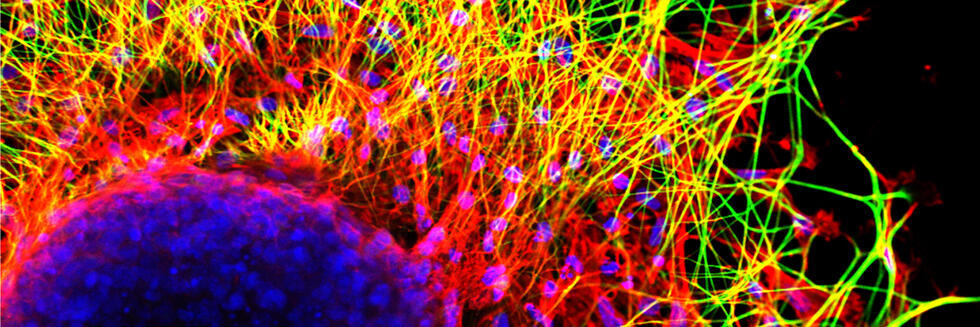
Our laboratory uses molecular genetic and imaging methods to gain insight into the molecular etiology of early onset torsion dystonia, and to develop vectors and strategies for gene therapy of brain tumors and neurologic diseases.
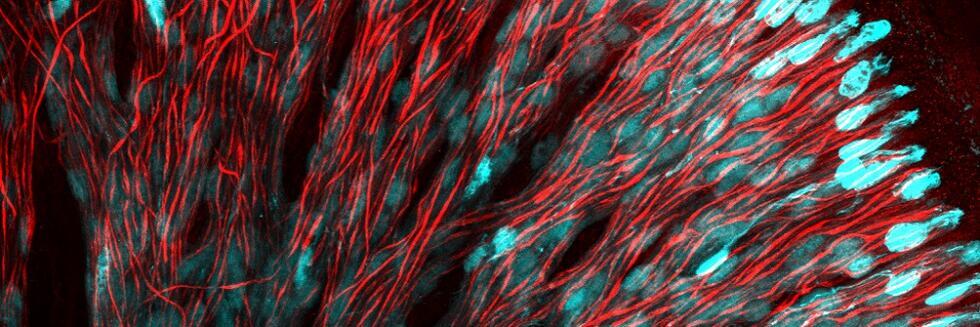
Torsion dystonia is a movement disorder characterized by contracted postures of the limbs and torso due to abnormal circuitry in the basal ganglia affecting sensori-motor communication. The mutant protein responsible for most early onset cases encodes torsinA, a AAA+ protein localized primarily in the endoplasmic reticulum (ER). This protein is expressed at highest levels in the perinatal period in neurons and appears to act as a chaperone protein involved in processing of proteins through the secretory pathway and linking the ER to the cytoskeleton. Current studies focus on identifying interacting partners for torsinA and determining how the mutant protein disrupts cell adhesion, neurite extension and synaptic communication.
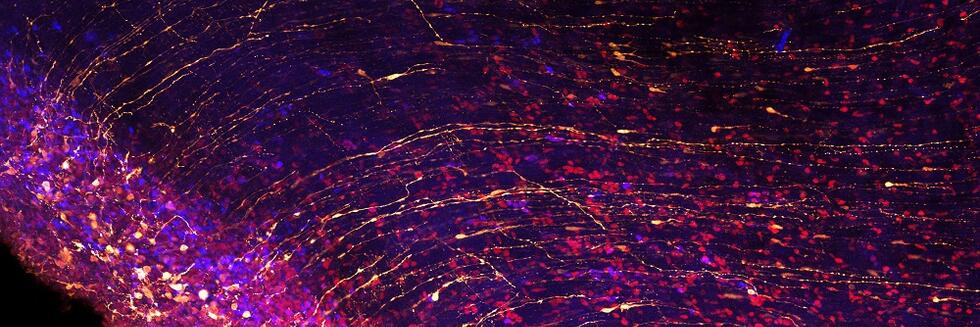
Vectors derived from HSV, AAV and lentivius are used to deliver therapeutic genes and imaging reporters in mouse models of inherited neurologic dieases, i.e. ataxia telangiectasia and neuronal ceroid lipofuscinosis, and brain tumors, including glioma xenografts and Cre-lox-induced loss of tumor suppressor genes, i.e. neurofibromatosis type 2 and tuberous sclerosis. Therapeutic strategies include expressing biotinylated docking sites on the cell surface to bind streptavidin-toxin conjugates using neuroprecursor cells to home to invasive tumor cells, and regulating microRNA levels to inhibit angiogenesis.
For a complete listing of Xandra Breakefield's publications on PubMed, click here.
Neuroscience webpage updated 12/02/2009