|
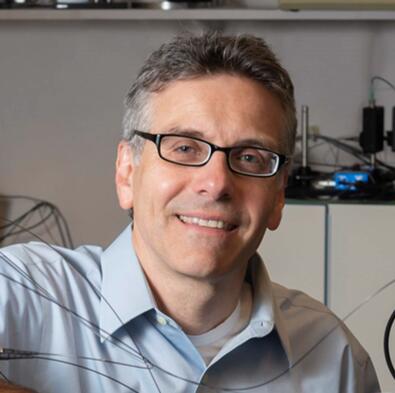
Vadim Bolshakov, Ph.D.
Associate Professor of Psychiatry
McLean Hospital
Cellular Neurobio Lab - Mrc II
115 Mill St
Belmont, MA 02478
Telephone: 617 855-3171
Fax: 617- 855-2023
Email:vadimb@mclean.harvard.edu
Predocs: 0 Postdocs: 4 Completed PhD's: 0
|
 |
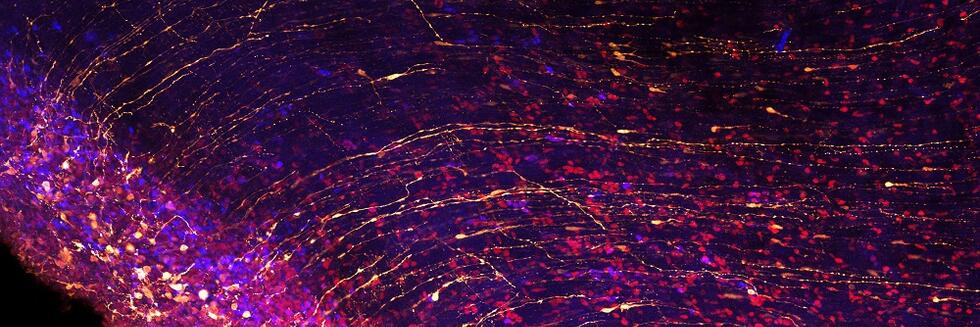
My laboratory studies the cellular and molecular mechanisms of synaptic transmission at central synapses using a combination of electrophysiological, cell biological and molecular-genetic techniques. Specifically, we explore synaptic mechanisms of learned fear attempting to relate long-term synaptic modifications at the amydgdale synapses induced by fear conditioning to memory of this conditioned experience. These studies are aiming to delineate neuronal mechanisms and molecular pathwys underlying learned and inborn fear. We are focusing on the link between anxiety and unconscious fear memories formed through conditioning mechanisms.
|
Selected References:
- Hinds HL, Goussakov I, Nakazawa K, Tonegawa S, Bolshakov VY (2003) Essential function of a-CaMKII in neurotransmitter release at a glutamatergic central synapse. PNAS 100, 4275-4280.
- Tsvetkov E, Shin RM, Bolshakov VY (2004) Glutamate uptake determines pathway specificity of long- term potentiation in the neural circuitry of fear conditioning. Neuron 41, 139-151.
- Shumyatsky GP, Malleret G, Shin RM, Tully K, Takizawa S, Tsvetkov E, Zakharenko SS, Joseph J, Vronskaya, Yin DQ, Schubart UK, Kandel ER, Bolshakov VY (2005) Stathmin, a gene enriched in the amygdala, controls both learned and innate fear. Cell 123.
- Shin RM, Tsvetkov E, Bolshakov VY (2006) Spatiotemporal asymmetry of associative synaptic plasticity in fear conditioning pathways, Neuron 52:883-896.
- Bolshakov VY (2007) SCOPing out proteases in long-term memory, Cell 128:1029-1030.
- Pan BX, Vautier F, Ito W, Bolshakov VY, Morozov A (2008) Enhanced cortico-amygdala efficacy and suppressed fear in absence of Rap1, Journal of Neuroscience 28:2089-2098.
|
|