|
Amy Wagers
Department of Pathology
Joslin Diabetes Center
One Joslin Place, Room 620C
Boston, MA 02215
Tel: (617) 732-2590
Fax: (617) 732-2593
Email: amy.wagers@joslin.harvard.edu
Web Page: The Wagers Lab Page
|
 |
The broad interest of our lab is to identify and characterize tissue-specific stem cell populations in adult animals. Current research focuses primarily on blood-forming (hematopoietic) and skeletal muscle stem cells in mice.
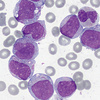
Biology and function of hematopoietic stem cells. Every year, thousands of patients undergo bone marrow or peripheral blood progenitor cell transplantation for the treatment of diverse diseases (including leukemia, lymphoma, immunodeficiency and others). The success of these transplants depends critically on the surprising ability of intravenously infused hematopoietic stem cells, which normally reside predominantly in the bone marrow, to accurately and efficiently migrate from the blood to the marrow of hematopoietically ablated transplant recipients and, once there, to expand and differentiate to repopulate the recipient’s pool of mature blood cells. While we previously demonstrated that the homing capacity of blood-forming stem cells likely makes use of pre-existing pathways that support the constitutive recirculation of these cells in normal animals, the mechanisms and regulators of these events remain largely unknown. We therefore are pursuing both genetic and cell biological approaches to defining genes and gene products that control the migration, expansion, differentiation and survival of blood-forming stem cells in normal animals and in transplant settings.
Adult skeletal muscle precursor cells. Currently, blood-forming stem cells are the only adult stem cell population that can be purified and used for the treatment of human disease. In order to develop equally robust cell therapies for the treatment of non-blood-cell-related disease, cells with equivalent regenerative function for non-blood tissues must be identified. Recent data from several investigators have suggested that blood-forming stem cells themselves may serve as such a source of regenerative cells for the repair of multiple organs; however, thus far, we have found no evidence to support a significant contribution from hematopoietic or bone marrow sources to the regeneration of non-blood tissues. Therefore, we have initiated studies to identify tissue-resident stem cell populations that function robustly to regenerate damaged adult tissues, and have recently succeeded in prospectively isolating a novel population of adult skeletal muscle precursor cells with robust myogenic activity. Future studies will be aimed at further defining cell lineage relationships in the differentiation of muscle stem and progenitor cells, as well as identifying signaling pathways and gene expression programs important for maintaining these muscle-resident cell populations. In addition, similar strategies will be applied to other adult tissues, including cardiac muscle and pancreas, to test the hypothesis that the adult tissues harbor as yet uncharacterized, isolatable stem cell populations that may support the repair of non-blood tissues.
|
References:
- Wagers AJ, Sherwood RI, Christensen JC, and Weissman, IL. Little evidence for developmental plasticity of adult hematopoietic stem cells. Science 297:2256, 2002.
- Sherwood, RI, Christensen JL, Conboy IM, Conboy MJ, Rando TA, Weissman IL, Wagers AJ. Isolation of adult mouse myogenic progenitors: functional heterogeneity of cells within and engrafting skeletal muscle. Cell, 119:543, 2004.
- Wagers AJ, Conboy IM. Cellular and molecular signatures of muscle regeneration: current concepts and controversies in adult myogenesis. Cell, 122:659, 2005.
- Passegue E, Wagers AJ, Giuriato S, Anderson WC, Weissman IL. Global analysis of proliferation and cell cycle gene expression in the regulation of hematopoietic stem and progenitor cell fates. J. Exp. Med., 202:1599, 2005.
|
|