Biological and Biomedical Science
 DMS Home  /  About DMS  /  Current Student Resources  /  Contact Us  /  Search 

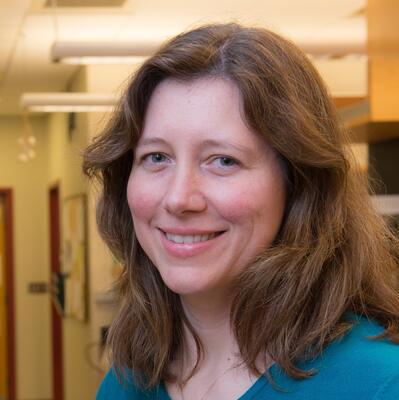
Joel Hirschhorn

Department of Genetics
Children's Hospital
Enders 561
300 Longwood Avenue
Boston, MA 02115
Tel: (617) 919-2129
Email: joel.hirschhorn@childrens.harvard.edu

Most common diseases, including diabetes, obesity and cancer, are complex genetic traits, with multiple genetic and environmental factors influencing disease risk. Our laboratory’s long-term goal is to understand the genetic basis of human complex traits and common diseases. Our laboratory uses genomic approaches to uncover the genetic variants that influence complex genetic traits, focusing on disease and traits relevant to endocrinology and hormonal pathways. In particular, we identify DNA sequence variants (usually SNPs) located in genes or chromosomal regions of interest, and genotype these in large, well-characterized samples; the analysis ranges from simple comparisons of the frequencies of the variants in healthy individuals and patients with disease to more complex analyses of quantitative traits, integrating multiple diverse data sets.

Currently, our main emphasis is on obesity-related traits and stature (adult height). We study obesity because it is a heritable risk factor for a number of serious diseases including diabetes; we study stature because of its relevance to growth and development, and as a model complex trait. We have been taking both a candidate gene and positional cloning approach to finding obesity genes, and are now participating in whole genome-association studies. We also study type 2 diabetes (an ongoing collaboration with David Altshuler) and other quantitative traits. Because we can generate data rapidly, individuals in the lab will be able to ask and answer questions such as (for example): does common genetic variation in proteins that regulate appetite contribute to human obesity?

We also use population genetics to inform our search for disease genes and to better understand the forces that have shaped human evolution. We have identified a region of recent strong positive selection at the lactase gene and other sites in the genome, and have shown that evolutionarily conserved noncoding regions are functionally important in humans. We are developing new tools in collaboration with the Reich lab to improve methods that take population history into account when performing genetic studies of disease<

Possible Rotation Projects:

  • Comprehensively test genetic variation in selected genes (either biological candidates or those suggested by genome-wide studies) for a role in obesity, stature, and/or type 2 diabetes; the choice of phenotype(s) and gene(s) would depend in part on the particular interest of the rotation student.
  • Determine the phenotypic consequence of variants known to influence disease or quantitative traits.
  • Help develop new laboratory or computational tools to aid in the analysis of complex genetic traits.


References:

  • Lohmueller, KE, Pearce, CL, Pike, M, Lander, ES, and Hirschhorn, JN (2003). Meta-analysis of genetic association studies supports a contribution of common variants to susceptibility to common disease. Nature Genet. 33:177-82.
  • Hirschhorn JN, Daly MJ (2005). Genome-wide association studies for common diseases and complex traits. Nat. Rev. Genet. 6:95-108.
  • Campbell, CD, Ogburn, EO, Lunetta, KL, Lyon, HN, Freedman, ML, Groop, LC, Altshuler, D, Ardlie, KG and Hirschhorn, JN (2005). Demonstrating stratification in a European-American population. Nature Genet. 37:868-72.
  • Drake JA, Bird C, Nemesh J, Thomas DJ, Newton-Cheh C, Reymond A, Excoffier L, Attar H, Antonarakis SE, Dermitzakis E, Hirschhorn JN. (2006) Conserved noncoding sequences are selectively constrained and not mutation cold spots. Nature Genet. 38:223-7.