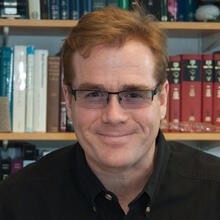
Stephen J. Elledge


Department of Genetics
Center for Genetics and Genomics
New Research Building, Room 158d
77 Avenue Louis Pasteur
Boston, MA 02115
Tel: (617) 525-4510
Fax: (617) 525-4500
Email: selledge@genetics.med.harvard.edu


A major area of our interest is how eukaryotic cells sense and respond to stress in the form of damage to their genetic material. When cells incur DNA damage, they arrest the cell cycle via cell cycle checkpoint pathways and induce the transcription of genes involved in repair of the damage. Failure to do this can result in genomic instability and cancer in humans. We have found that sensors of DNA damage and replication blocks activate a kinase cascade involving the ATR and Chk1 kinases in mammals. ATR is associated with a binding partner we have named ATRIP. Recently we found that ATRIP is recruited to ssDNA at sites of DNA damage and replication blocks through its ability to recognize RPA-ssDNA complexes. The presence of these complexes recruits ATR/ATRIP where it can phosphorylate its substrates and initiate checkpoint signaling. RPA also controls a second sensor, the Rad17-911 complex which loads onto DNA at sites of damage. The interaction between these two complexes at the site of damage initiates signaling. Recently we have developed methods to identify substrates of the DNA damage activated kinases and have found over 700 proteins phosphorylated in response to DNA damage. This gene list is a rich resource and has already lead us to the discovery of a new Fanconi anemia gene, FANCI, and two new BRCA1 binding proteins, Abraxas and Rap80. We are pursuing genetic strategies to identify other important genes within this collection.


Our other primary interest is in generating genetic technologies. We have generated siRNA libnraries in retroviral vectors with Greg Hannon and Wade Harper to perform loss of function genetic screens. We have developed a bar coding method to decode complex libraries and plan to use these in new efforts to develop mammalian genetic methods aimed at unraveling human diseases such as cancer. Our first screen involved searching for genes whose loss confers tumor-like properties on mammary epithelial cells, We identified a number of genes previously implicated in cancer such as TGF-beta receptor and proteins in the PI3 Kinase pathway and the ras pathway. Importantly we identified a novel tumor suppressor, the REST transcriptional repressor, which we found mutant in colon cancer cells. We also used an RNA interference screen to identify a new component of the spindle checkpoint, USP44. We showed that it is part of a ubiquitin switch that controls the metaphase to anaphase transition. Using regulated shRNA libraries we are searching for genes required for survival of cancer cells and potential new drug target candidates.


Finally, we are very interested in understanding the ubiquitin pathway. Towards this goal we have developed a method to screen for substrates of ubiquitin ligases. This method has the potential to uncover a large number of key regulatory molecules that control signaling pathways in mammals. We have used this method to estimate the half lives of almost 10,000 proteins in human cells. We are now using this method to search for proteins whose stabilities are regulated in response to stimuli.


References:


BBS webpage updated 12/02/2009